 25 Jul 2026
-
31 Jan 2027
25 Jul 2026
-
31 Jan 2027
 10:00
-
16:00
10:00
-
16:00
 Free Entry
 Open daily
Artist Stephanie Doddridge is drawn to gardening as a way of understanding how humans relate to nature.
In Tools for Quiet Activism, she shifts her focus from backyard to the field, drawing on her time working with Bio.R., a grassroots environmental organisation that restores native habitats in heavily cleared country.
Through small, repeated acts of repair on degraded land, a form of quiet activism emerges.
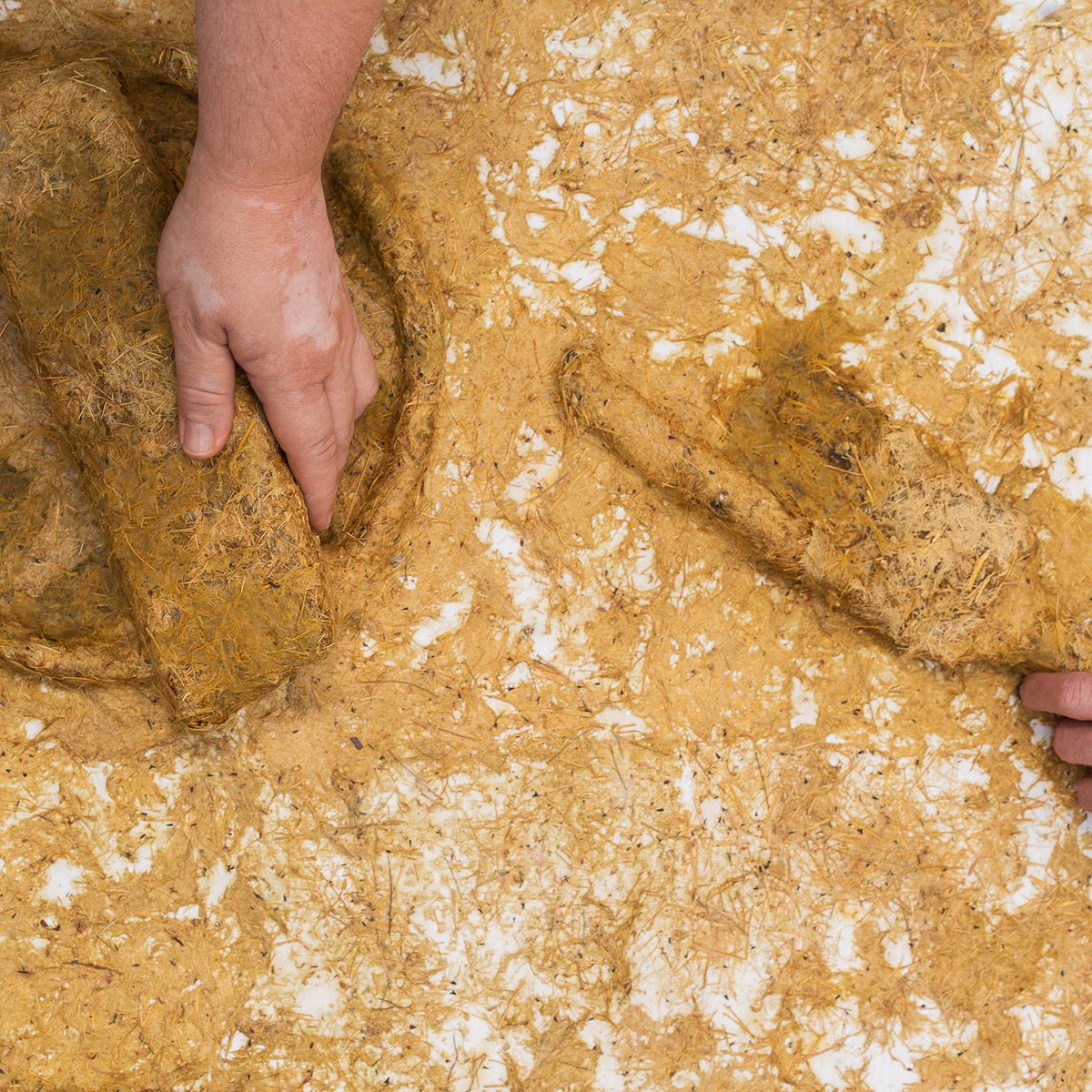
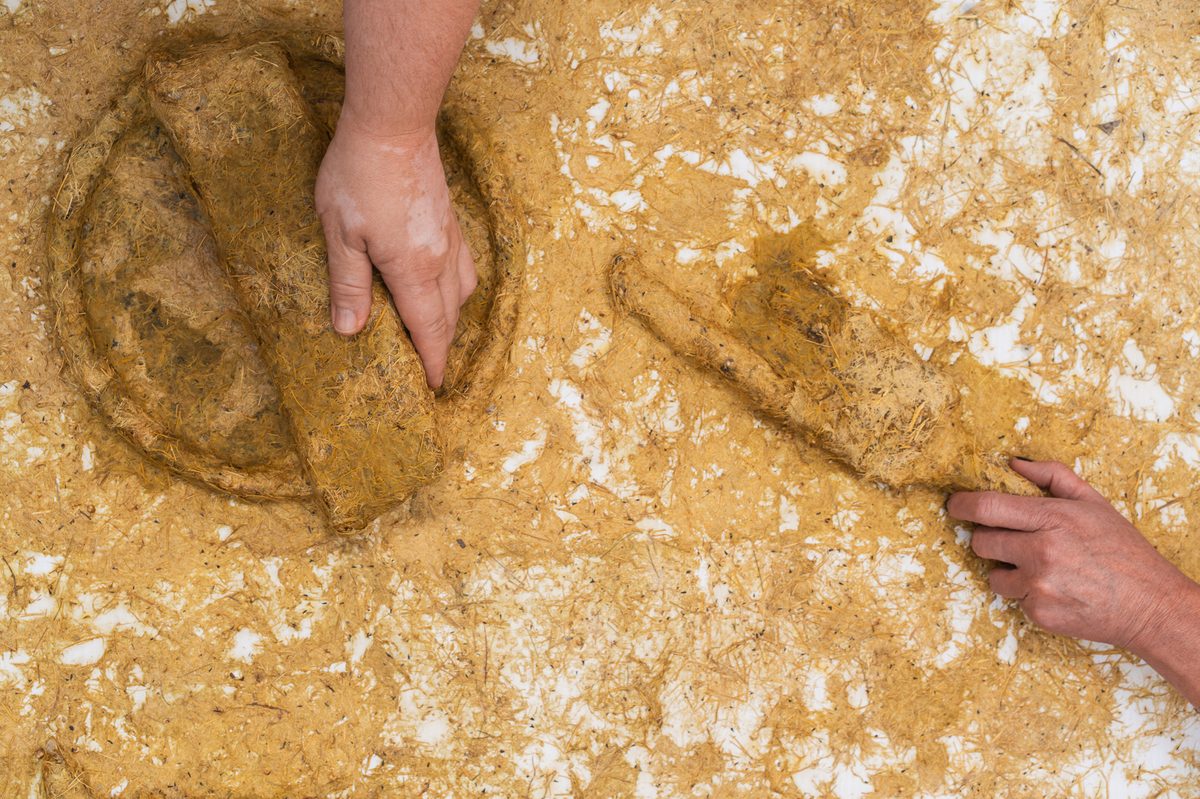
Stephanie reflects on this experience by crafting a ‘toolkit’ for ecological restoration including seed orchard plans, stitched plant identification lists, and compostable tools. Made from experimental bioplastics embedded with native seeds, her gardening tools become metaphors for regeneration. As the tools break down, they both return to the earth, and usher in new life.
Stephanie’s imaginary, handmade toolkit reminds us that lasting environmental change grows from small, shared acts of care – quietly and over time.
29 August 2026
2:00pm to 3:00pm
Stephanie will speak about her relationship with ecological restoration specialists, Bio.R, who are remediating former agricultural sites in South Australia.
She will share her experiences of making artworks that are meant to decompose, but which also need to meet the stringent bio-security standards of the Museum of Economic Botany.
The talk will unpack her process, ideas and materials, and provide tactile examples for the audience to handle during and after the session.
Stephanie Doddridge is a contemporary artist living and working on Kaurna and Ngarrindjeri Country.
Her interdisciplinary practice explores the relationships between people, plants and places through sculpture, installation, textiles, papermaking and knowledge-sharing.
Drawing on practices of care and site-responsive research, Stephanie investigates how everyday acts of tending and cultivation can grow more nourishing, reciprocal relationships with the natural world. With organic, experimental materials, she creates works that highlight interdependence, regeneration, and collective responsibility.
Working with the ecological restoration organisation Bio-R, and as a full-time studio artist at Adelaide Contemporary Experimental, Stephanie explores the intersections between artistic research, ecology and experimental practice.
Explore the vital role of plants at this captivating museum, nestled in the heart of Adelaide Botanic Garden.
Inside, you’ll find an impressive collection of plant specimens, exquisitely crafted models, and creative displays from around the world, showcasing the many ways humans have used plants, both historically and in modern times.
The building is a highlight, stunningly restored and retaining many of its original architectural features.

