Uncarina grandidieri
The Palm House in Adelaide Botanic Garden contains a living collection of plants which originate from south western Madagascar.
Madagascar is home to over 11,000 native vascular plant species and over 83% occur nowhere else on Earth, but about 40% of the island’s endemic species are now at risk of extinction because of habitat degradation through deforestation and climate change.
Growing representatives of these rare plants here, together with other botanic gardens around the world, helps to safeguard their future existence.
Parts of Madagascar have a warm, dry climate and we are able to recreate that in the Palm House. This puts us in a great position to conserve rare and endangered plants from this part of the world.
Plants inside can seem strangely at odds with each other, yet they sit side-by-side in nature. The spikey tentacles of Alluaudia procera - native only to Madagascar - make a wild display. Its cactus-like appearance is an adaptation to withstand drought and attack by foraging animals.
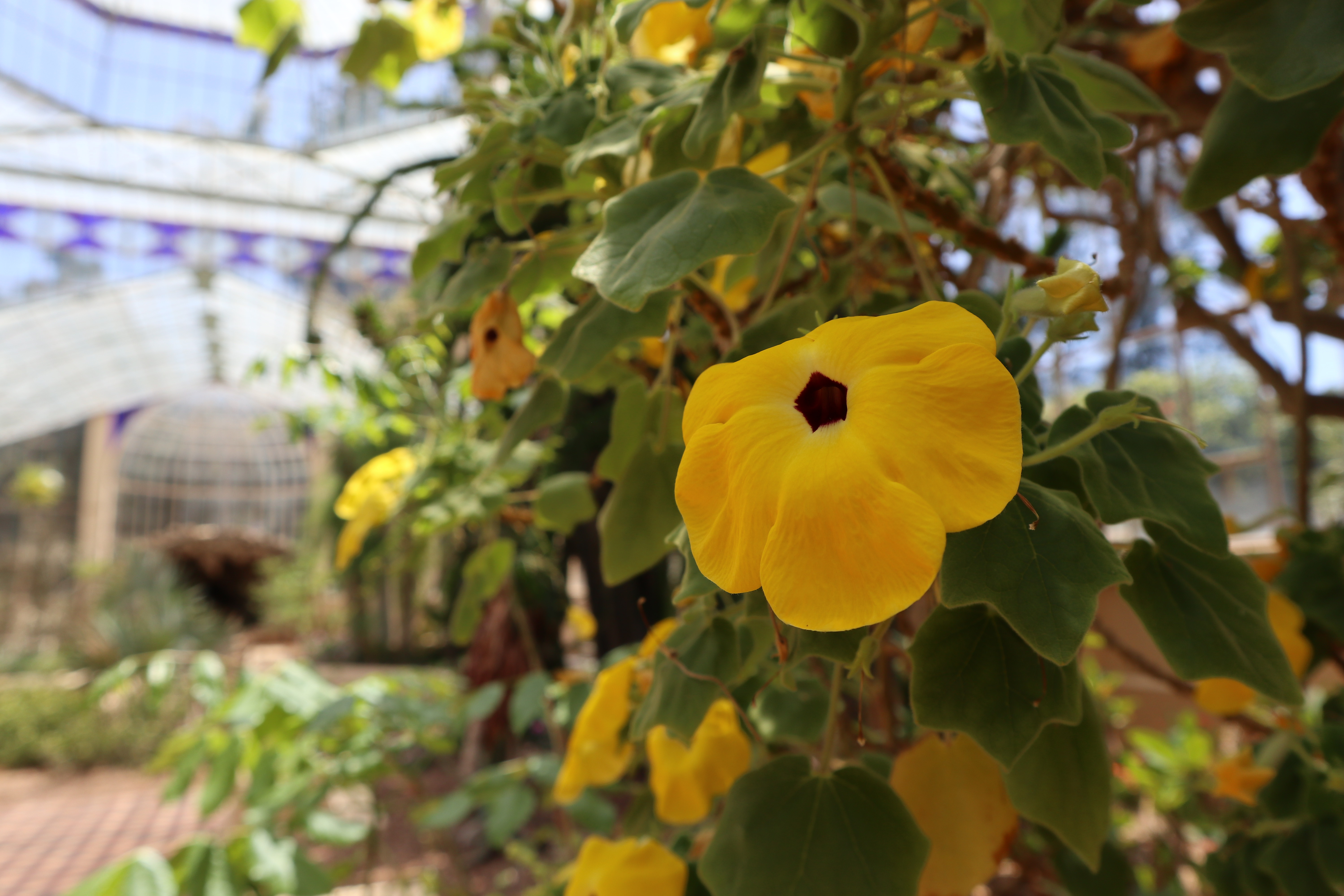
Sitting pretty next to this towering species is the delicately beautiful Succulent Sesame, Uncarina grandidieri. It’s a small, succulent tree with bright yellow flowers that make a lemony carpet under its canopy. The flowers are followed by fruits covered with barbed hooks to assist dispersal by animals in the wild.
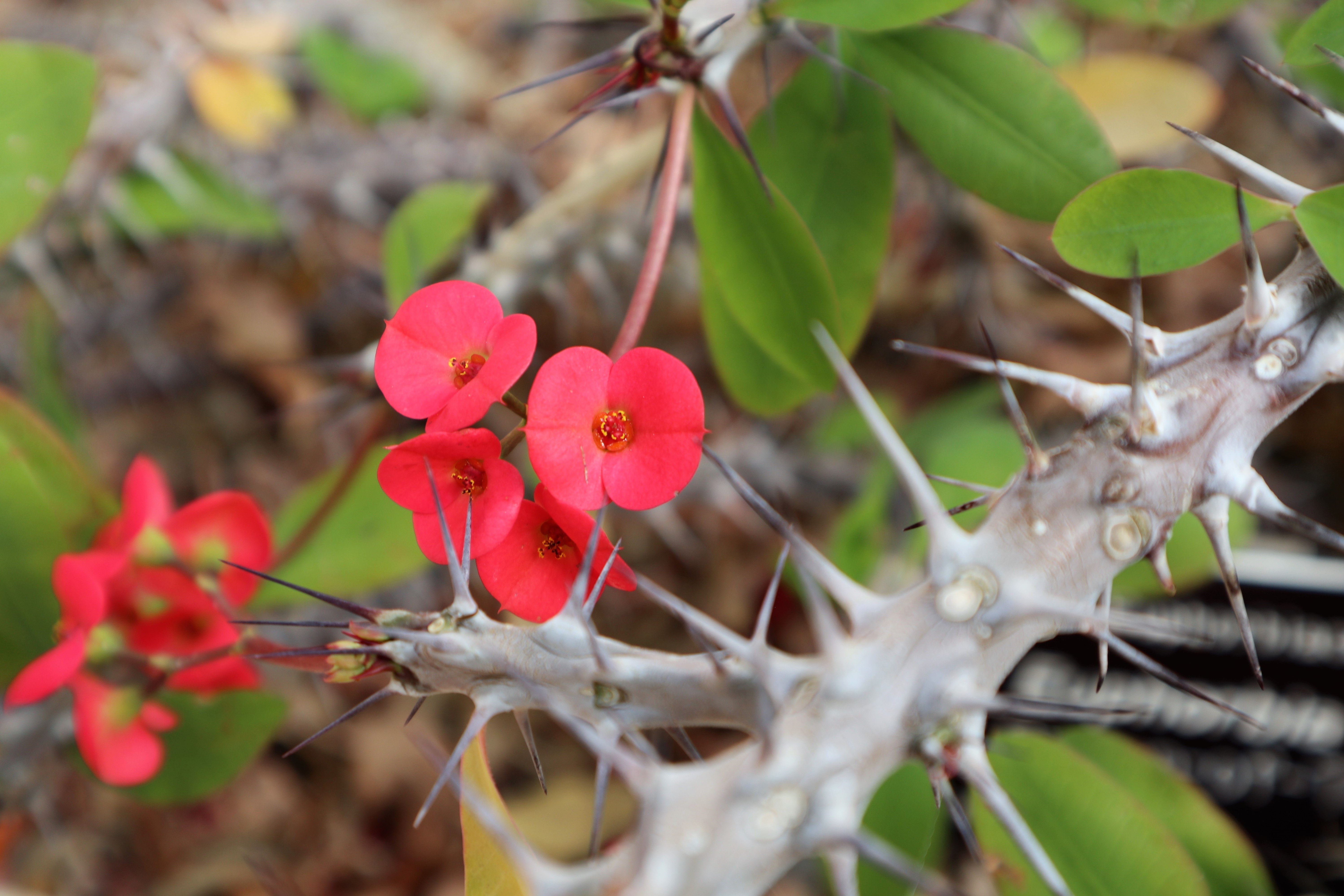
Euphorbia milii plants can be found throughout with their tiny two-petal flowers producing bright pops of colour. Commonly known as crown-of-thorns, cultivated varieties of the plant are popular in gardens around the world, but wild populations are under threat with some sub-species close to extinction.
We work in collaboration with other botanic gardens across the world to keep the Madagascan collection inside the Palm House relevant to today’s changing climate and challenges.
Housing these plants in the much-loved historic building is intentional; water received by these plants in their native habitat comes from mist or dew. We give the plants the light watering they need in a way that avoids corrosion of the iron framework, helping to also conserve this heritage-listed building.
The grotto at the western end of the glasshouse brings a historical charm all of it own, and is a reminder of the past plant collections of this glass house.
It’s a must-see on any visit to Adelaide Botanic Garden, and a haven to the plants and visitors alike on rainy autumn or winter days.
Free entry. Open daily from 10am - 4pm.
